Research Program
Thrust I
Bioflow & Hemodynamics
Transport of macromolecules, cells, and bioengineered particles in hemodynamic environments is governed by the accumulated history of mechanical exposure, not instantaneous local conditions. We develop the mechanistic frameworks governing how flow environments shape macromolecular activation, cellular damage, and flow-mediated intercellular signaling, with implications for thrombosis, cardiovascular disease, targeted drug delivery, and medical device design.
Thrust II
Flow-Coupled Functional Surfaces
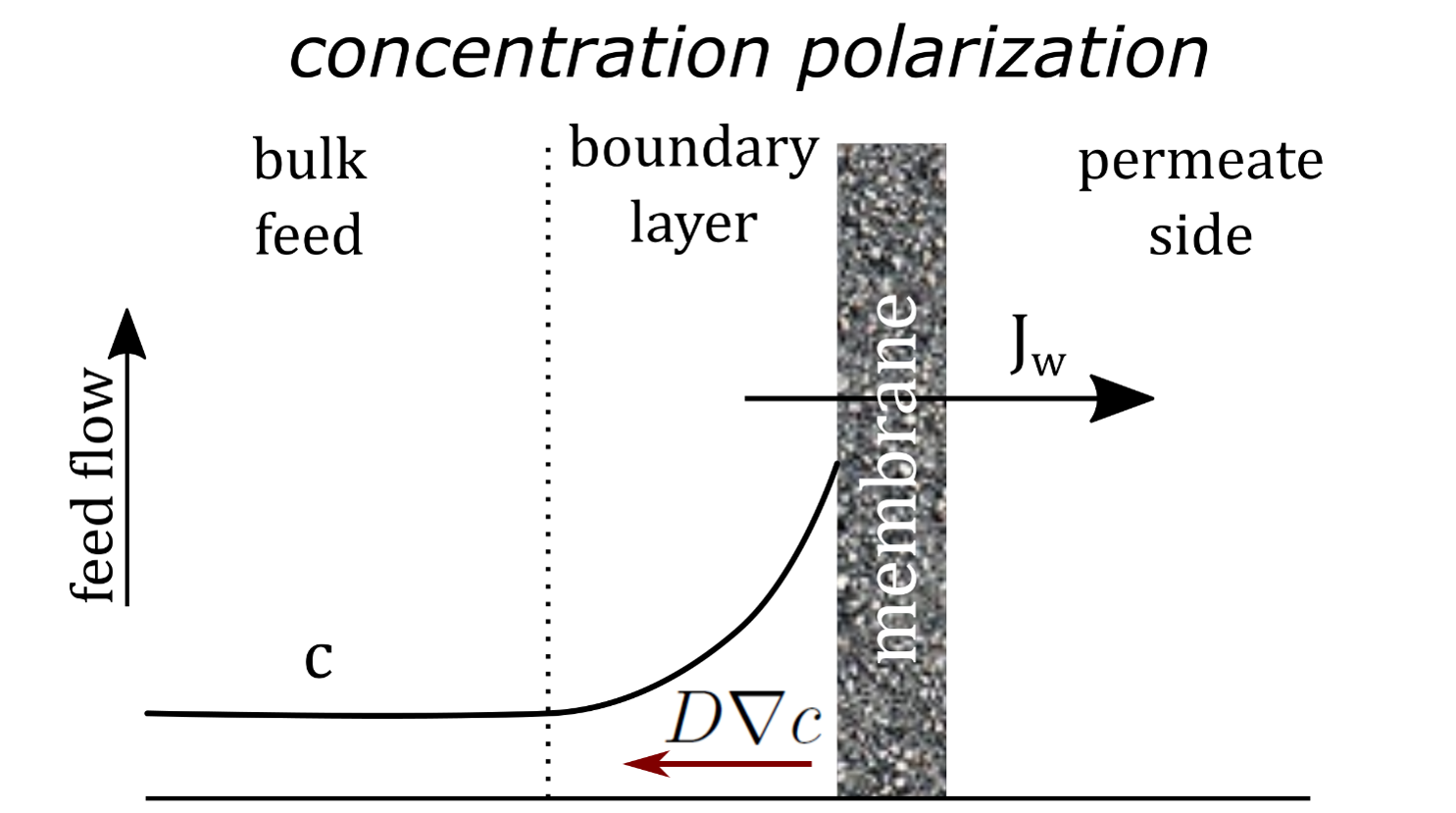
Membrane performance, catalytic reaction rates, and surface-mediated separation are governed by bidirectional coupling between local flow structure and surface response. We study how flow interacts with separative, stimuli-responsive, and catalytic surfaces to regulate transport, with active work spanning water desalination, bioseparation, and reactive systems.
Shared Foundation
Transport Physics and Computational Methods
Both thrusts draw on a common foundation: transport physics in variable-property, high-Schmidt-number, and compressible flow regimes. We study turbulent and compressible mixing, viscosity-gradient dynamics, and shock-surface interactions through high-fidelity simulation and scientific machine learning.